You owe more than the house is worth
This is the situation most cash buyers quietly can't help with, because a normal sale can't clear the loan. Here's what's actually available and what each route costs you.
- Free calculator shows if a sale can clear your loan
- We'll tell you plainly if it can't
- Risks of each route explained, not hidden
- No obligation and no pressure
Got it — Mike will call you shortly.
Usually within the hour during business hours.
Why a normal cash sale may not work
A sale has to produce enough to pay off everything secured against the house — the mortgage, any liens, back taxes — before you receive anything. If a cash offer comes in below what you owe, the sale cannot close. There is nothing to close with.
Most cash buyers will not tell you this on the phone. They will take the appointment, drive out, and then explain it. Our calculator will tell you before anyone visits.
Knowing a door is closed is worth something. It stops you waiting on it.
Short sale
Your lender agrees to accept less than the full balance and release the lien so the sale can close. It requires the lender's cooperation, documentation of hardship, and time — often months. It is a real route and many people take it.
Whether it makes sense for you, and what it does to your credit and your tax position, depends on specifics we cannot see. Talk to a HUD-approved counsellor, who is free, and to a CPA about the tax side.
A buyer taking over the payments
Sometimes called "subject-to." A buyer takes title and makes your mortgage payments, but the loan stays in your name. It is a debt-relief arrangement, not a payday.
Your credit stays exposed. If the buyer stops paying, the missed payments land on your credit and the lender can foreclose on a house you no longer own.
Nearly every mortgage has a due-on-sale clause. It lets the lender demand the entire balance the moment title transfers. Lenders often do not enforce it while payments are current, but the right is theirs for the life of the loan.
Never sign one of these without your own attorney reading it. Not the buyer's attorney — yours. If a buyer discourages you from getting one, that is your answer about that buyer.
We do these, and we explain the risks up front rather than after. If that makes some sellers walk away, that is the correct outcome.
Staying put
Worth saying out loud: if you can afford the payment and there is no deadline forcing a move, waiting is a legitimate strategy. Equity builds. Nobody in this industry will volunteer that, because nobody makes money from it.
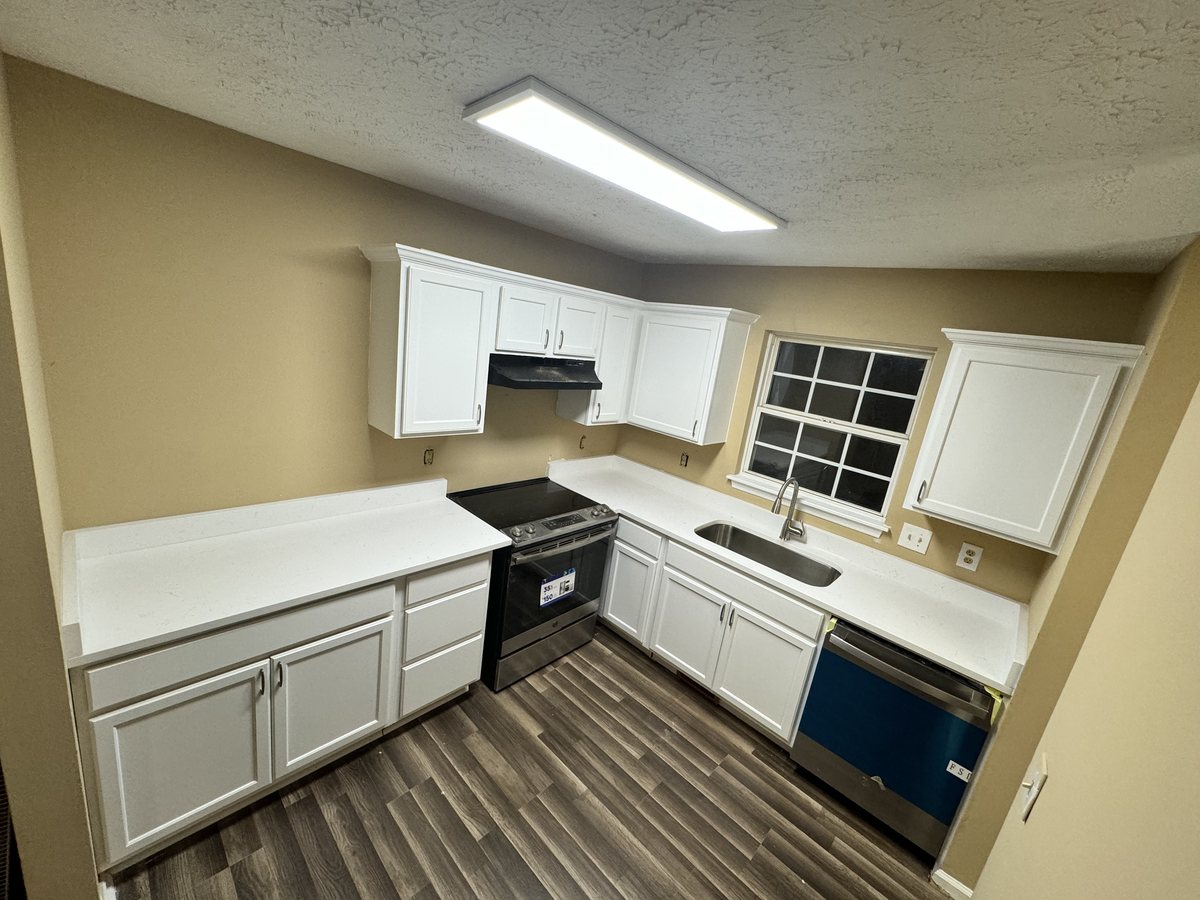
Two owners, years of dispute, no agreement
A divorce left this house frozen for years. We paid cash for keys to one party and a fair cash offer to the other. It's an affordable housing rental today and we still own it.
Read the full storyQuestions we get asked
Can I sell if I have no equity at all?+
What's the catch with someone taking over my payments?+
Do liens and back taxes come off what I get?+
Is there any option where I walk away with money?+
Want to know where you actually stand?
Free, no obligation, and an honest answer even when it's not the one you wanted.